If you live in Sagle, Bonners Ferry, or anywhere on a private well in North Idaho, you've probably smelled it: that rotten-egg whiff from the hot tap (sometimes both taps). It's hydrogen sulfide gas, and it's a fixable problem — but the fix depends on where the smell is actually coming from.
The three sources of sulfur smell
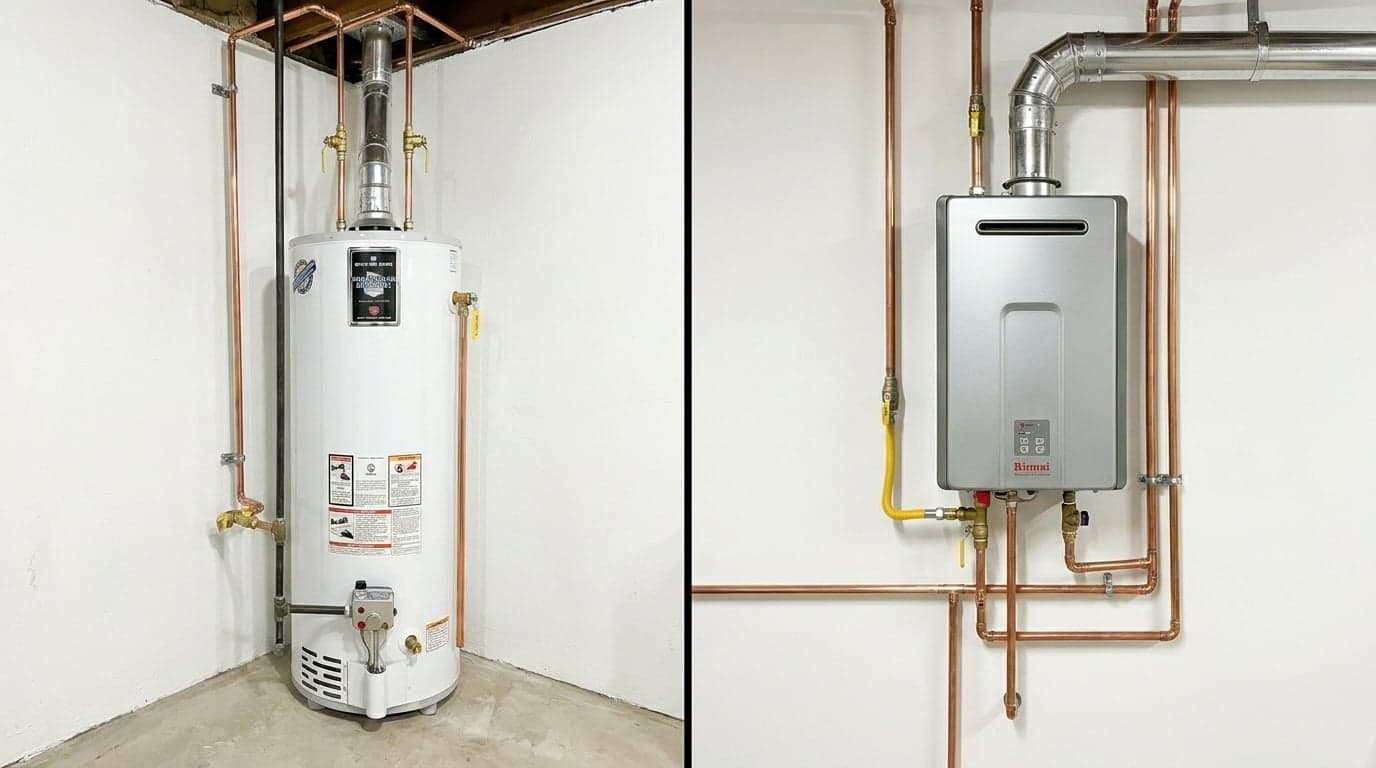
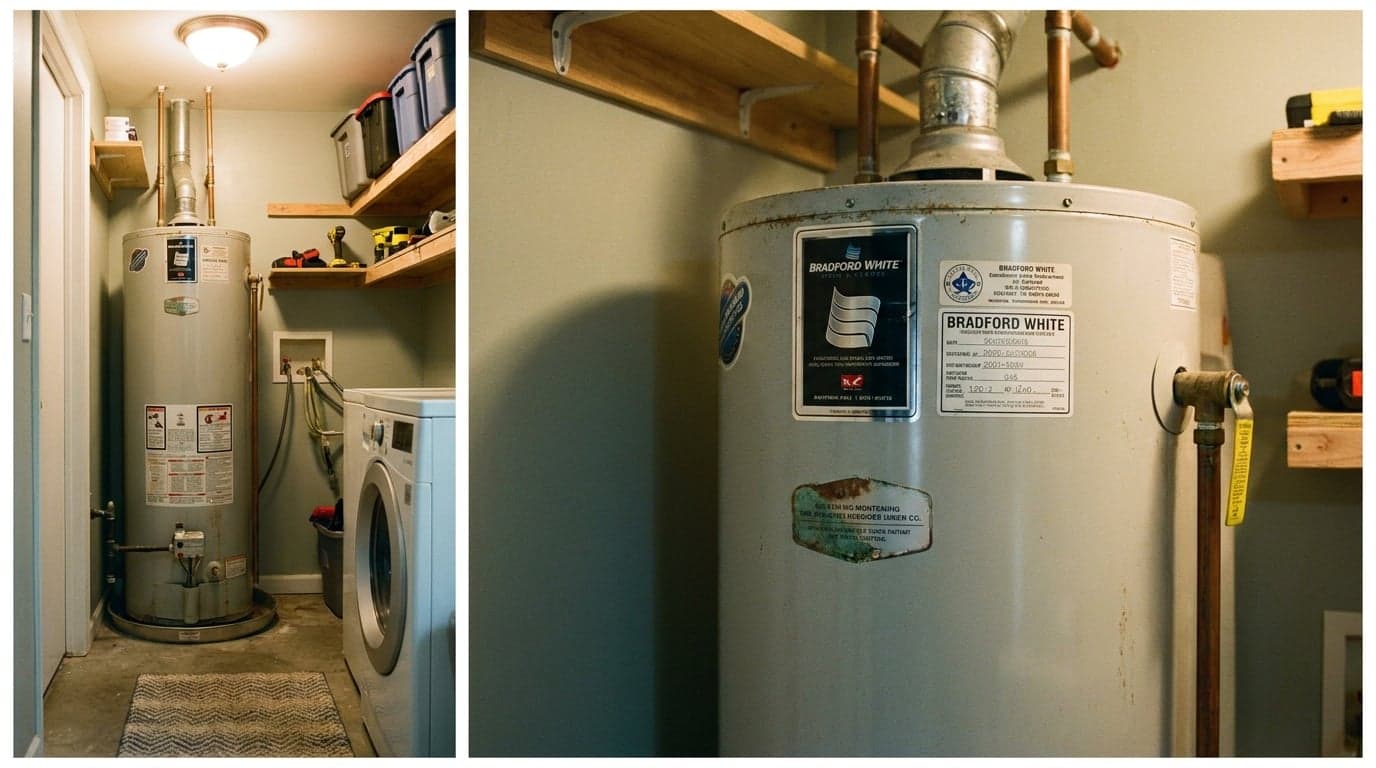
- Hot tap only: the magnesium anode rod inside your water heater is reacting with sulfate-reducing bacteria. This is the most common cause we see. Cheap to fix.
- Both hot and cold taps: the smell is in your well or aquifer itself. Real hydrogen sulfide gas, often paired with iron and manganese. Needs treatment at the well, not just the heater.
- Only after the water sits overnight: bacterial activity in your plumbing or pressure tank. We do a chlorine shock and inspect for biofilm.
The fix per source
Anode rod issue: swap the magnesium rod for an aluminum/zinc rod. About 90 minutes on the truck, single service-call scope, and the smell is gone. We do this on dozens of Sandpoint and Sagle homes every year.
Aquifer hydrogen sulfide:needs a treatment system at the well. Aeration + carbon filter for low concentrations (< 1 ppm), or a chlorine injection + retention tank for higher concentrations. We pull a full lab water test first so we know the actual concentration and what else is in there.
Bacterial growth:chlorine shock the well, replace any failed pressure tank bladder, sanitize the water heater. We bundle this with a system inspection so it doesn't come back in six months.
What we won't do
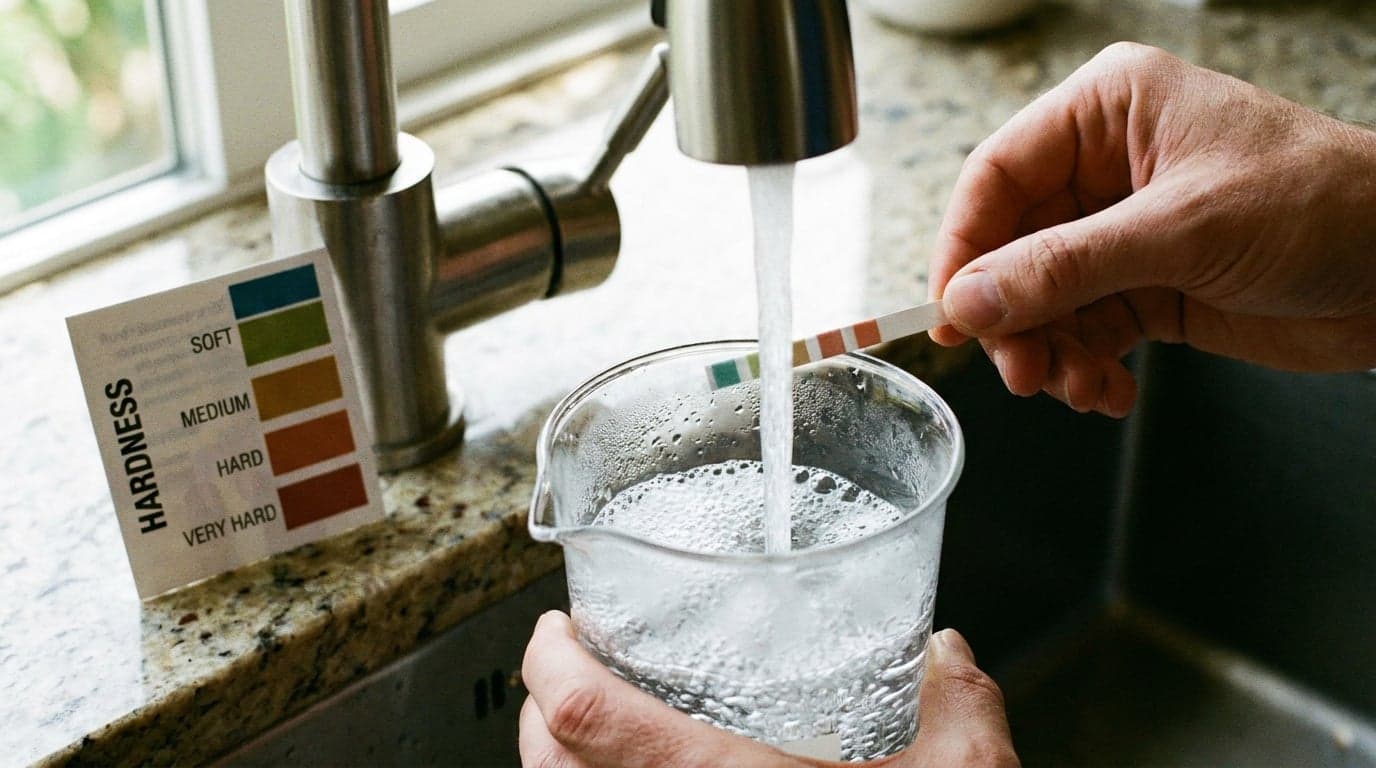
We won't sell you an oversized whole-home system based on a quick test strip. A comprehensive lab water test pays for itself the first time it saves you from buying the wrong equipment. We've seen people spend a fortune on a softener for what was actually an anode rod problem.
Smell rotten eggs at your tap? Read about our water filtration & treatment service or call us — we'll figure out which of the three it is.