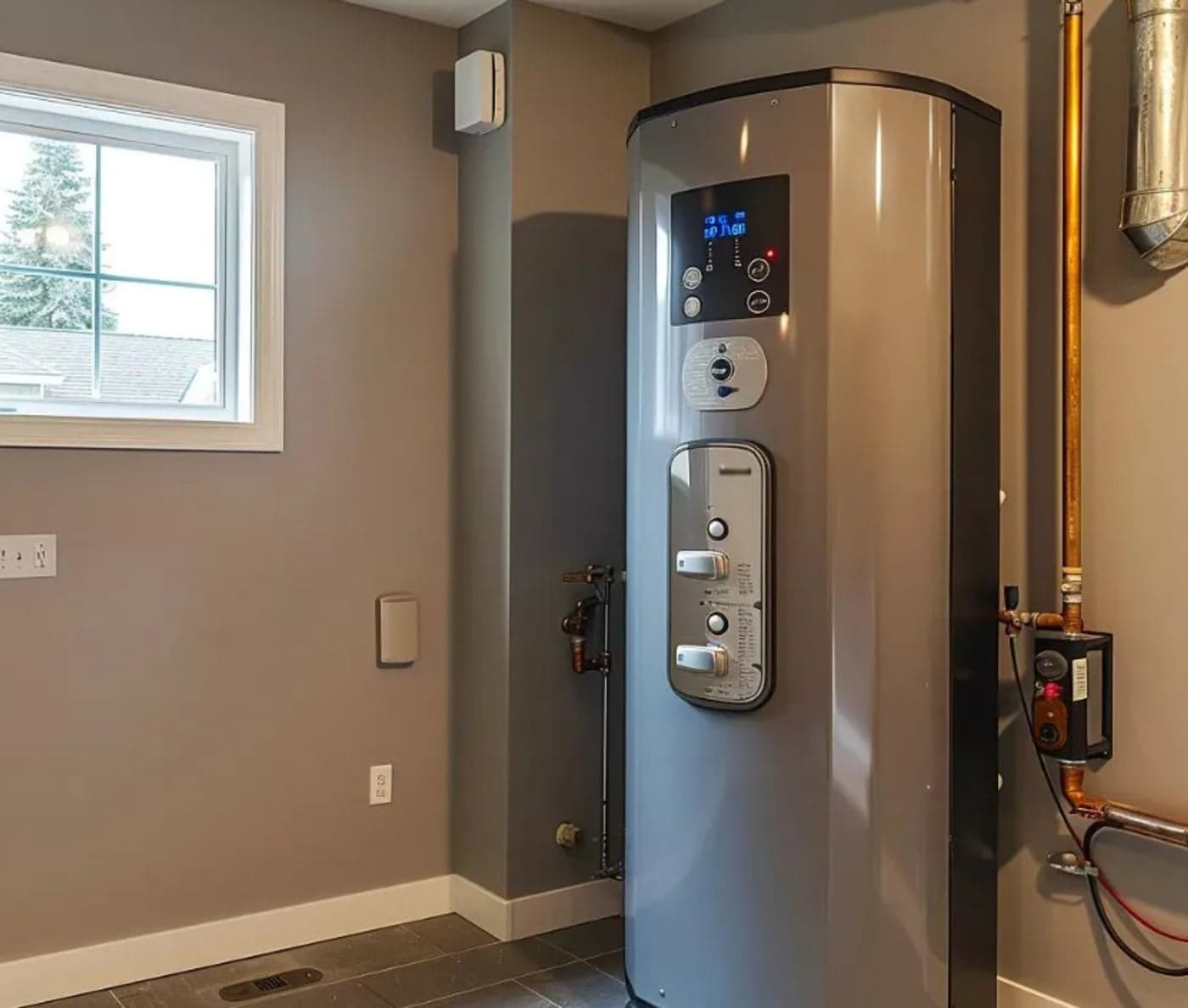
We get this question on every quote: should I just replace the tank, or go tankless?The honest answer is “it depends” — but it depends on things you can actually nail down in five minutes. Here's how we walk a customer through it on the truck.
The short version
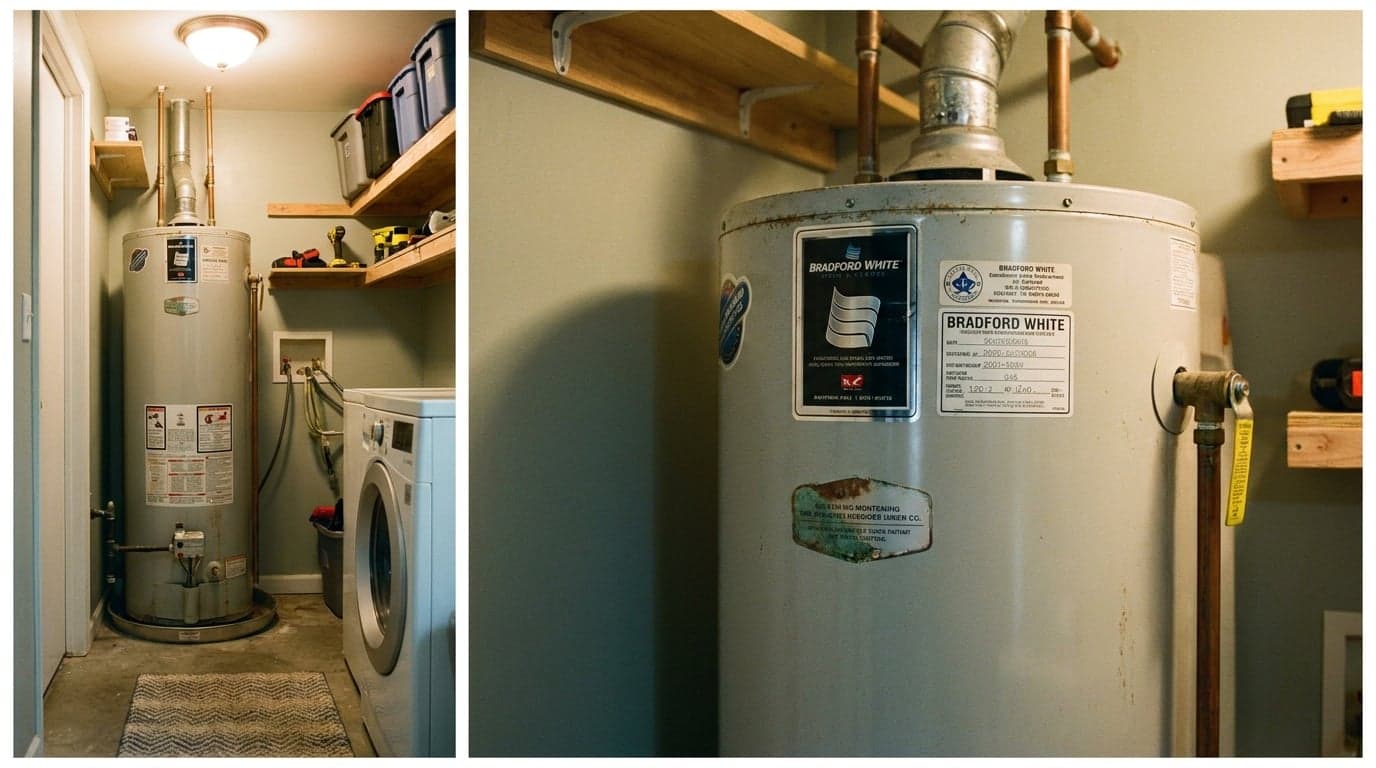
If you have a small home, 1–2 people, no major hot water complaints, and a working gas line for a tank — get a quality tank. They're cheaper to install, easier to repair, and a Bradford White Defender will run 12–15 years with annual flushes.
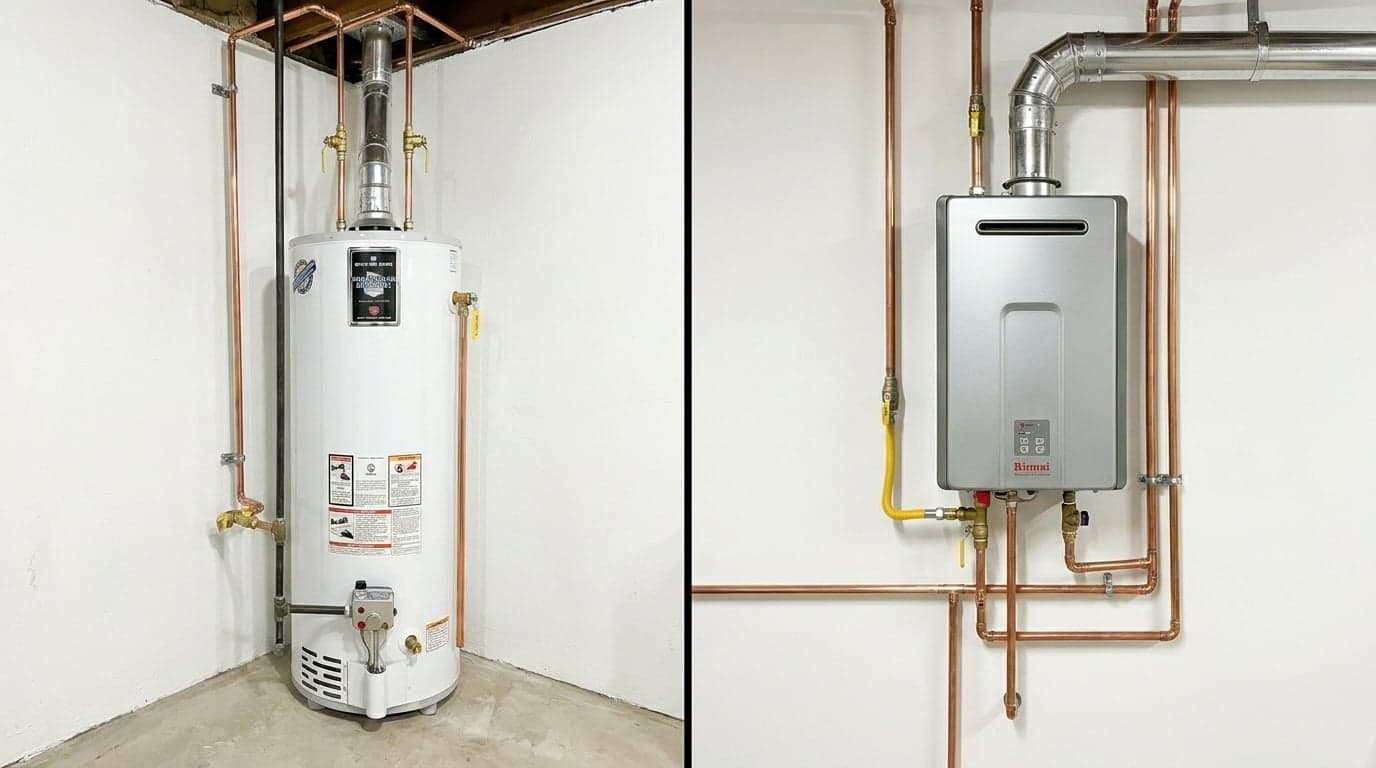
If you have a larger home, 3+ people, multiple bathrooms running simultaneously, frustrating cold-shower moments, or you're already mid-remodel — go tankless. A Navien NPE-A2 or Rinnai RU199 will run 20+ years and never run out of hot water mid-shower. We quote every conversion in writing.
What changes the math in North Idaho specifically
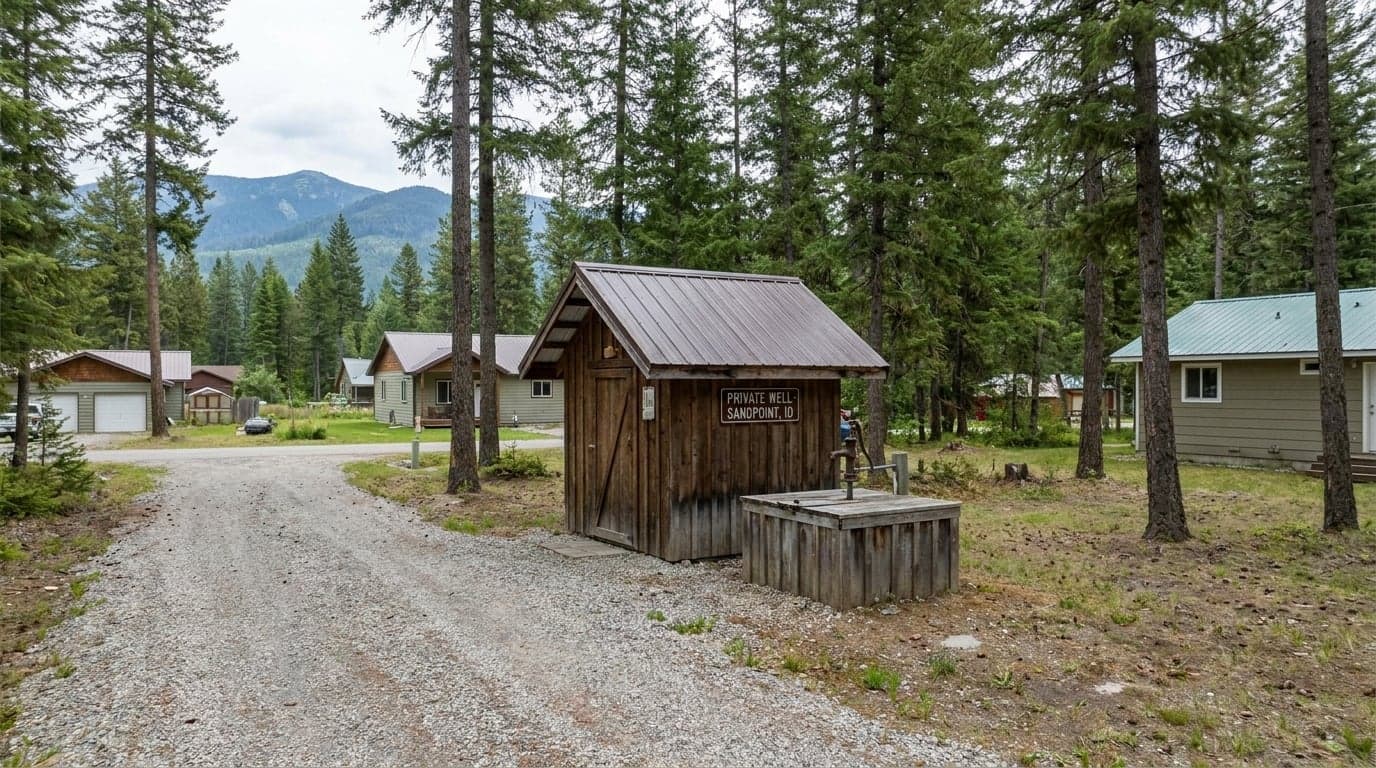
- Cold incoming water.Sandpoint groundwater hits 38°F in February. Tankless units have to do more work to bring that to 120°F at the tap, which means you need to size up — a unit rated for “3 bathrooms” in Phoenix is a 2-bathroom unit here.
- Well water hardness.If your incoming water is hard (> 7 grains, common in Sagle and Bonners Ferry), tankless heat exchangers scale up faster. We always pair tankless conversions on well water with a softener or at least a scale-prevention filter.
- Venting.Tank water heaters often vent atmospherically through an existing flue. Tankless requires PVC venting outside through a sidewall. If your shop, basement, or crawl doesn't have a clean run, the venting work adds to the scope — we include it as a line item on the written quote.
Lifespan and total cost of ownership
Over a 20-year horizon, a tank costs you the install plus a mid-life replacement (since you'll replace once at the 12–15 year mark) plus annual flushes. A tankless costs more up front but typically runs the full 20+ years with one descaling every 3 years. Break-even is around year 14 — after that, tankless is cheaper to own.
But the real value isn't cost — it's “never running out” on back-to-back showers. If that bugs you, the math is irrelevant.
What we'd install in your house
We don't push tankless because the rebate is bigger or because it's newer. Plenty of our customers leave with a Bradford White tank and we're happy about it. Call us, tell us how many people are showering, what your existing setup is, and we'll tell you straight which is right for your specific situation — even if it costs us the bigger ticket.